Fifteen days of brownouts, muddy roads, broken generators, sleepless nights, and a million tears. This is the side of island living you won’t see in the photos.
Today, Lindy somehow convinced me to write another article.
I honestly couldn’t remember the last time I wrote one. It feels like I haven’t written anything all year. And when I told him that, he said it was impossible for me to have nothing to write about when I had approximately 10,000 complaints about Siargao.
Ten thousand is an exaggeration, obviously.
Maybe.
But I guess he has a point.
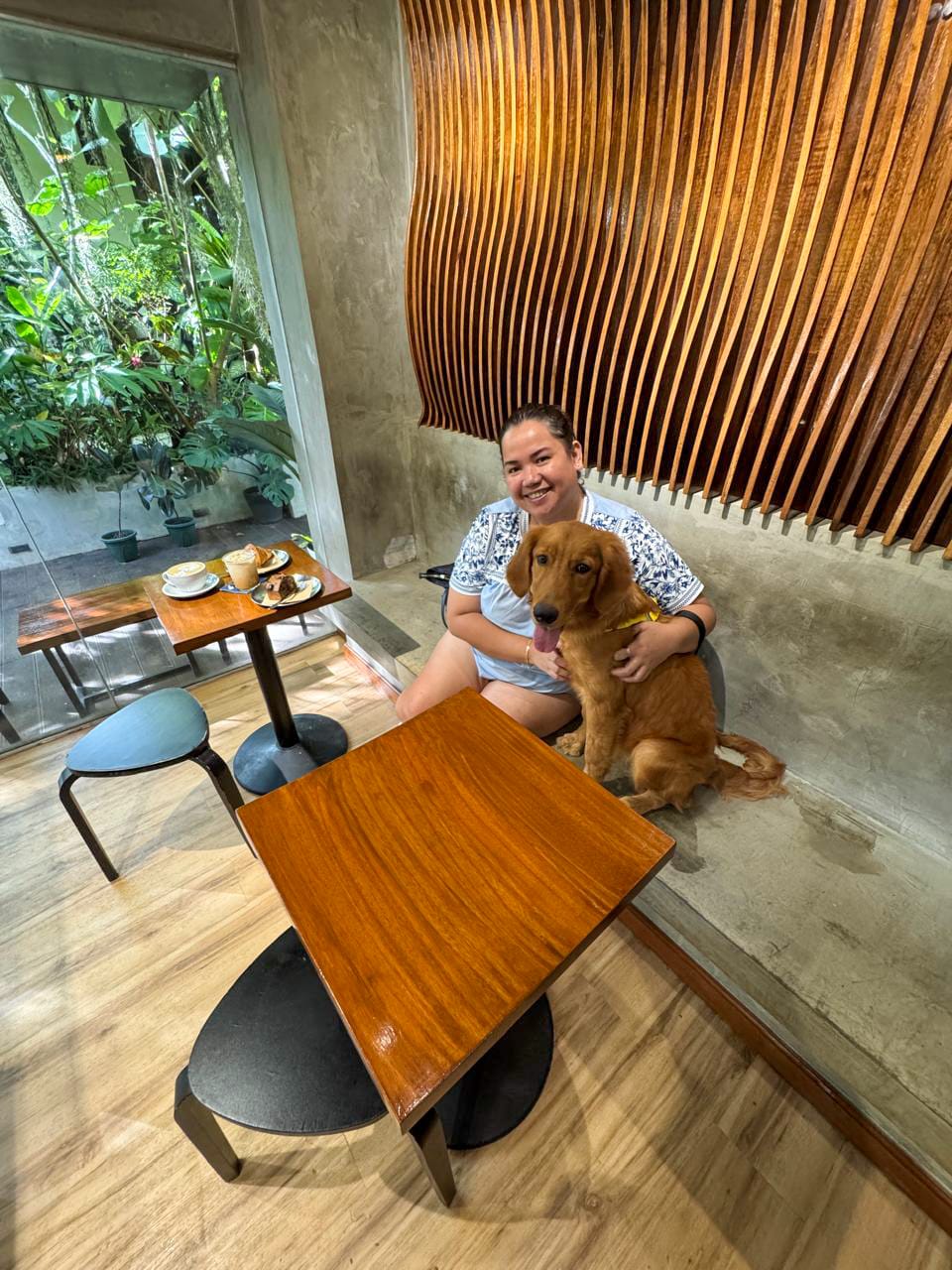
The Reality of Living in Siargao
The past year has been stressful. Not because I’m unhappy. Let me make that clear: I am happy. I love my life, I love my dogs, and I love the life Lindy and I are trying to build here.
But sometimes, it feels like every day comes with a new problem. And before you’ve even figured out how to solve the first one, another one shows up.
As a Filipina living in my own country, I’ve learned to take certain inconveniences in stride. My usual reaction is, Okay, fine. What’s next?
But I also think about Lindy. He’s American, and while I know he’s doing fine, sometimes I wonder if he’s just being strong for me. Maybe he’s dealing with more than he lets on because he sees how stressed out I get.
And then there are our four dogs: Penny, Duke, Shelly, and Pancho. I can’t make decisions based only on what is convenient for us. They’re part of our family, and whatever happens, we have to make sure they’re okay, too.
So when Lindy told me that I had enough complaints to write an entire book about island living, I started thinking about one particular experience.
Fifteen days without electricity.
Yes. Fifteen.
And if you’re wondering how we survived, honestly, I don’t even know where to begin.
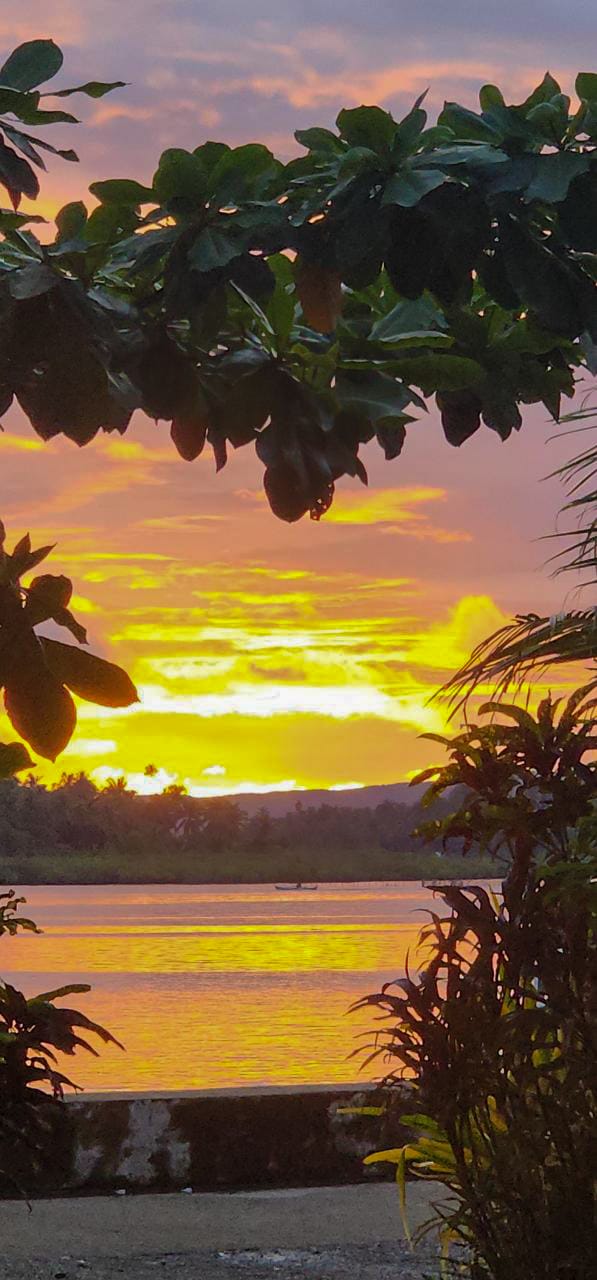
Day 1: It’s Just Another Brownout. Right?
It was the morning of December 1, a Sunday, if I remember correctly.
The electricity went out, and I didn’t think much of it. Brownouts happen in Siargao. We’ve experienced them before, so my initial reaction was pretty simple.
Okay, fine. The electricity will probably come back later.
Except it didn’t.
Twenty-four hours later, we still had no power.
And here’s the thing about living on the northern side of Siargao: when there’s no Wi-Fi, you’re practically off the grid. Depending on where you are, mobile signal can be difficult to get, too. You can’t simply turn on your data and continue with your day.
Sometimes, you have to travel to a restaurant or another place with a signal just to reconnect with the outside world.
Now imagine being a social media manager and virtual assistant who works at night, living on a remote island where the electricity and internet are suddenly unreliable.
Welcome to my life.
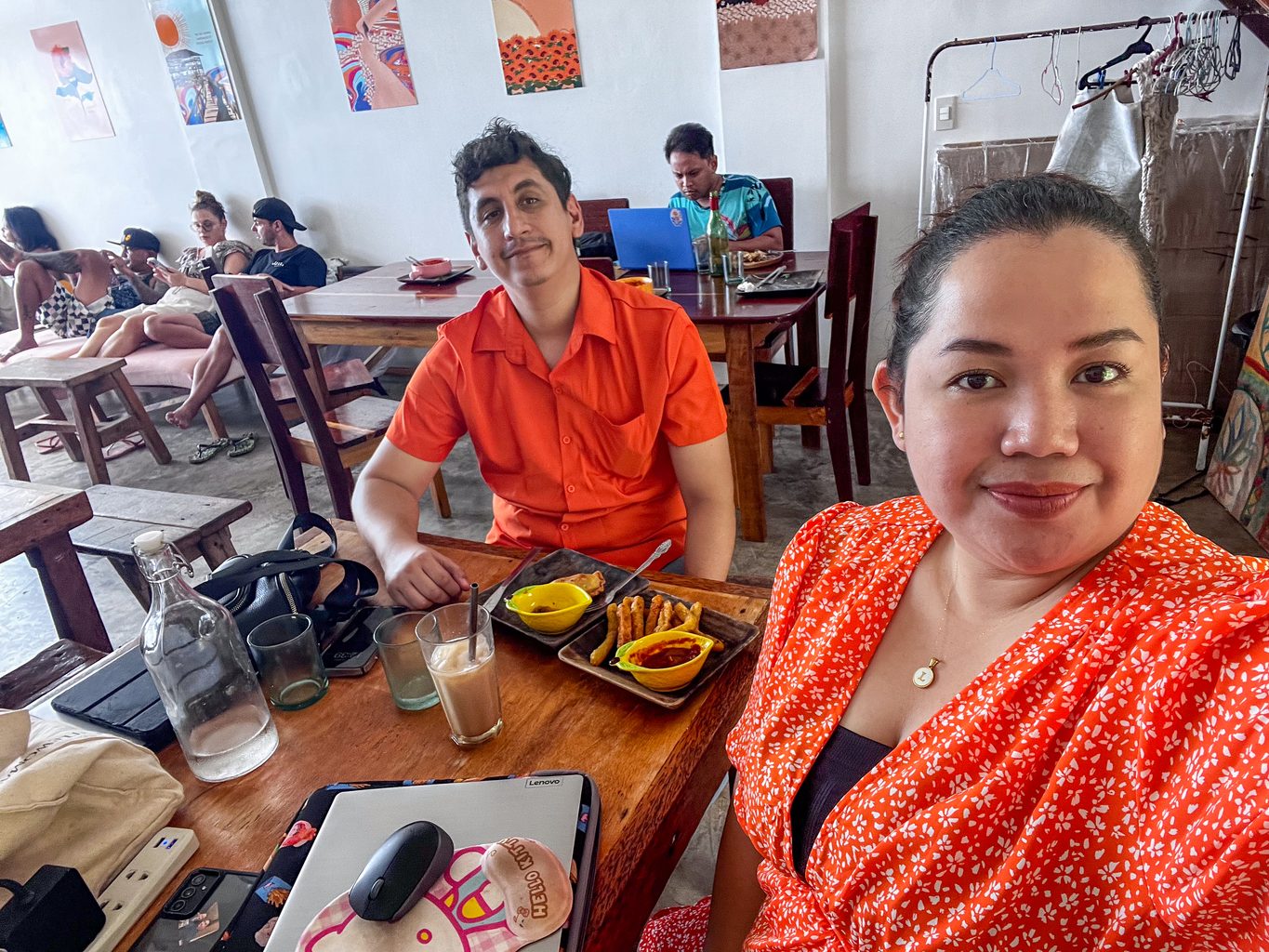
Day 2: Monday Came, and So Did My Deadlines
December 2 was a Monday, which meant I had to work that night.
By around 4 p.m., I was already stressed.
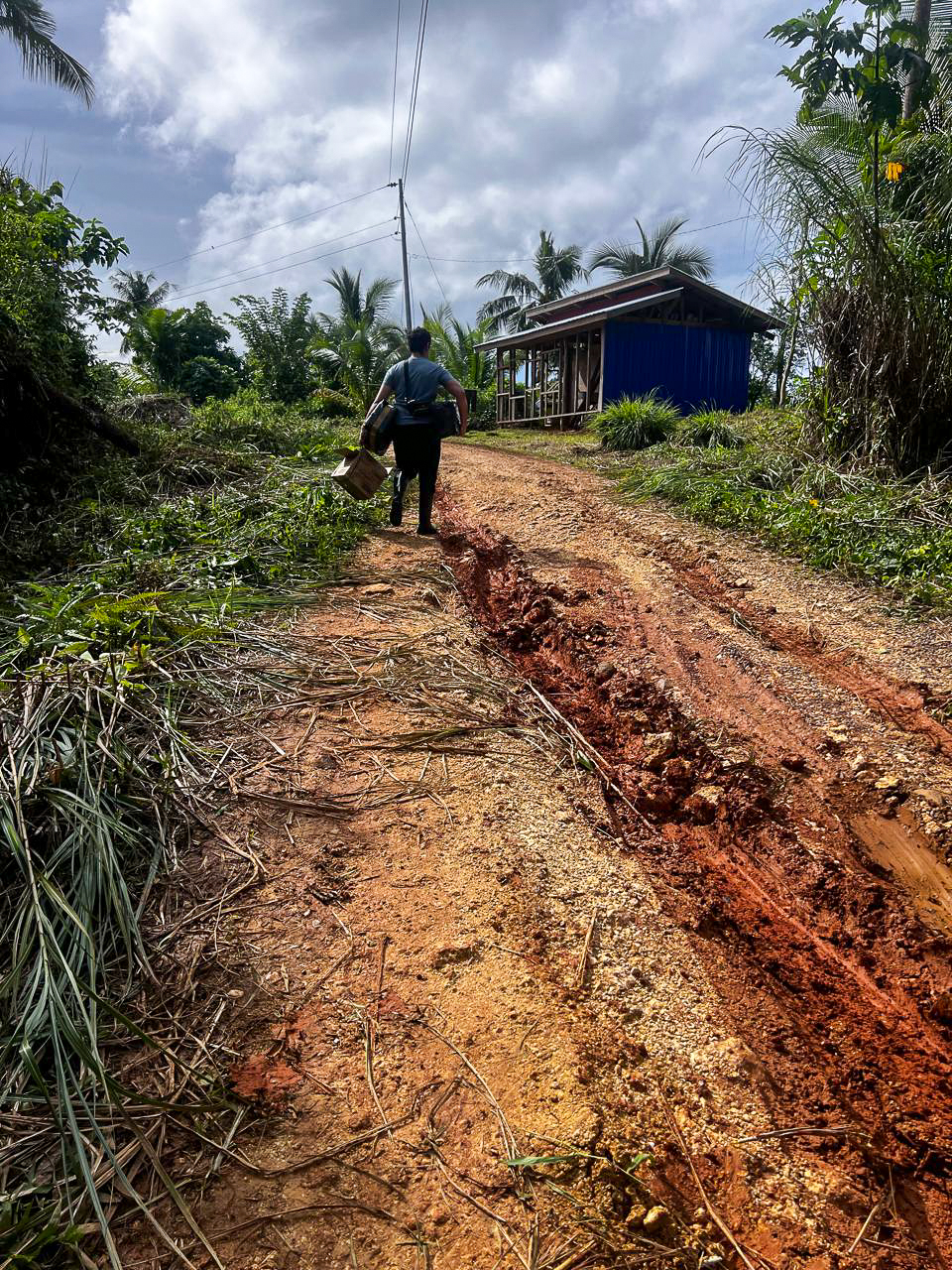
We needed to find somewhere with electricity and internet so I could work. The problem? We lived uphill, and our road was rough, muddy, and difficult to navigate when it rained. Our car couldn’t reliably make it up the hill under those conditions.
So we had to walk.
And when I say walk, I mean carrying bags, a laptop, essentials for an overnight stay, and a golden retriever down a muddy hill.
Imagine doing that while worrying about your work, your home, and the dogs you’ve had to leave behind.
It wasn’t exactly the peaceful island lifestyle I had imagined.
We had to find a place to stay where I could work at night, while still figuring out how to care for all four dogs.
And this was only the second day.
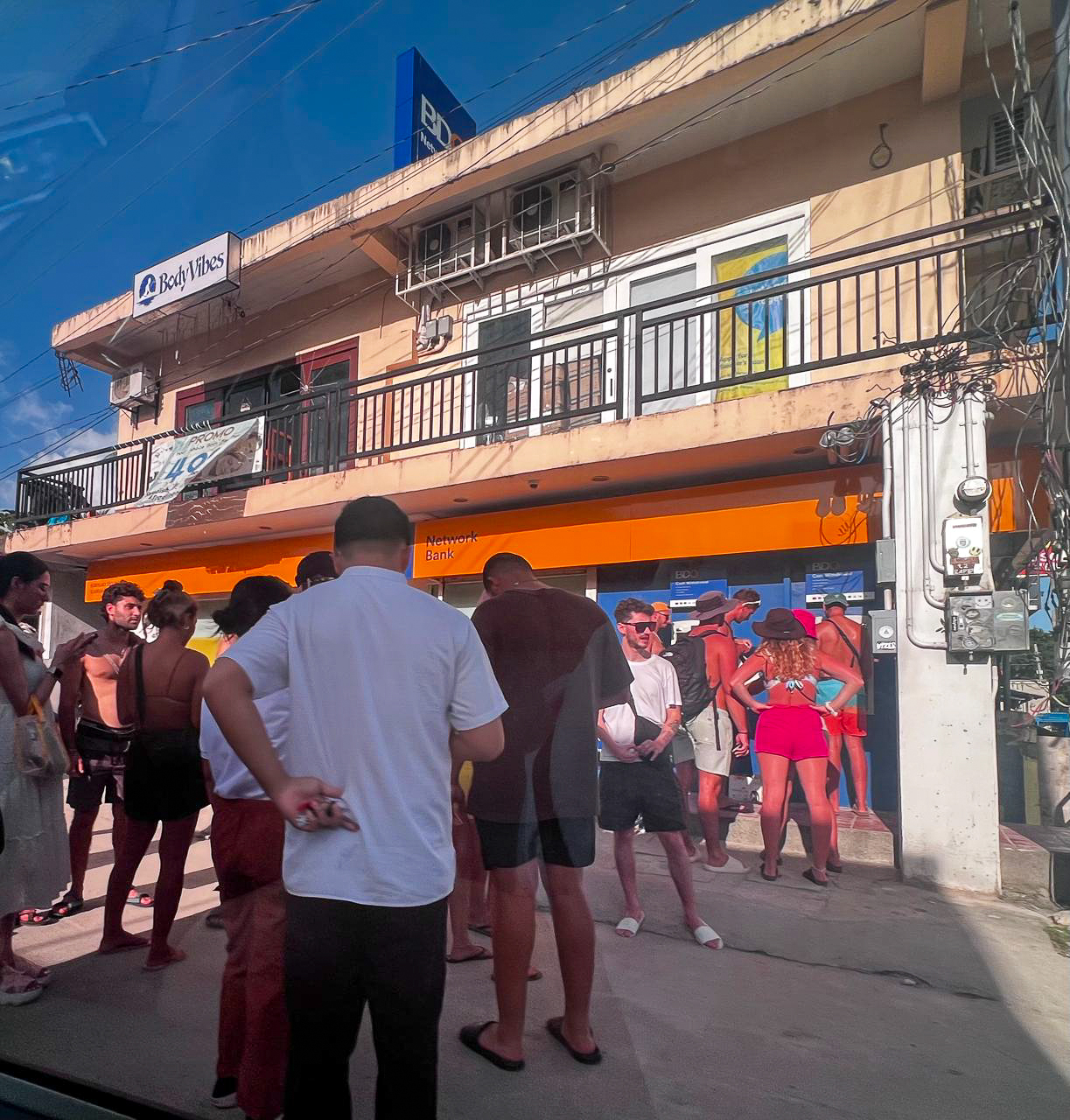
Day 3: Brownout Panic Buying, Expensive Gasoline, and Sharing What We Had
By the third day, people were starting to panic-buy.
Puregold was packed. Gas stations were packed. Everyone was trying to secure essentials and gasoline, and prices were going up.
Thankfully, we had brought a generator with us from Manila because we already knew that brownouts were a reality in Siargao.
But having a generator doesn’t magically solve everything. You still need fuel, and when everyone needs fuel at the same time, things get complicated.
We also had neighbors who didn’t have generators, so we let them charge their phones at our place.
Because that’s what you do when you can help someone, right?
Even when you’re stressed, even when you’re worried, even when you’re trying to figure out how to get through the next few hours.
We helped where we could.
Meanwhile, I still had to work at night. We were going back and forth between our house and the hotel where we were staying, walking whenever necessary because the car couldn’t make it uphill.
We also had to return home to feed the dogs and check on them.
At this point, my life had become a never-ending cycle of walking, working, worrying, and trying to keep everyone alive and comfortable.
And somehow, I was still expected to function like a normal human being.
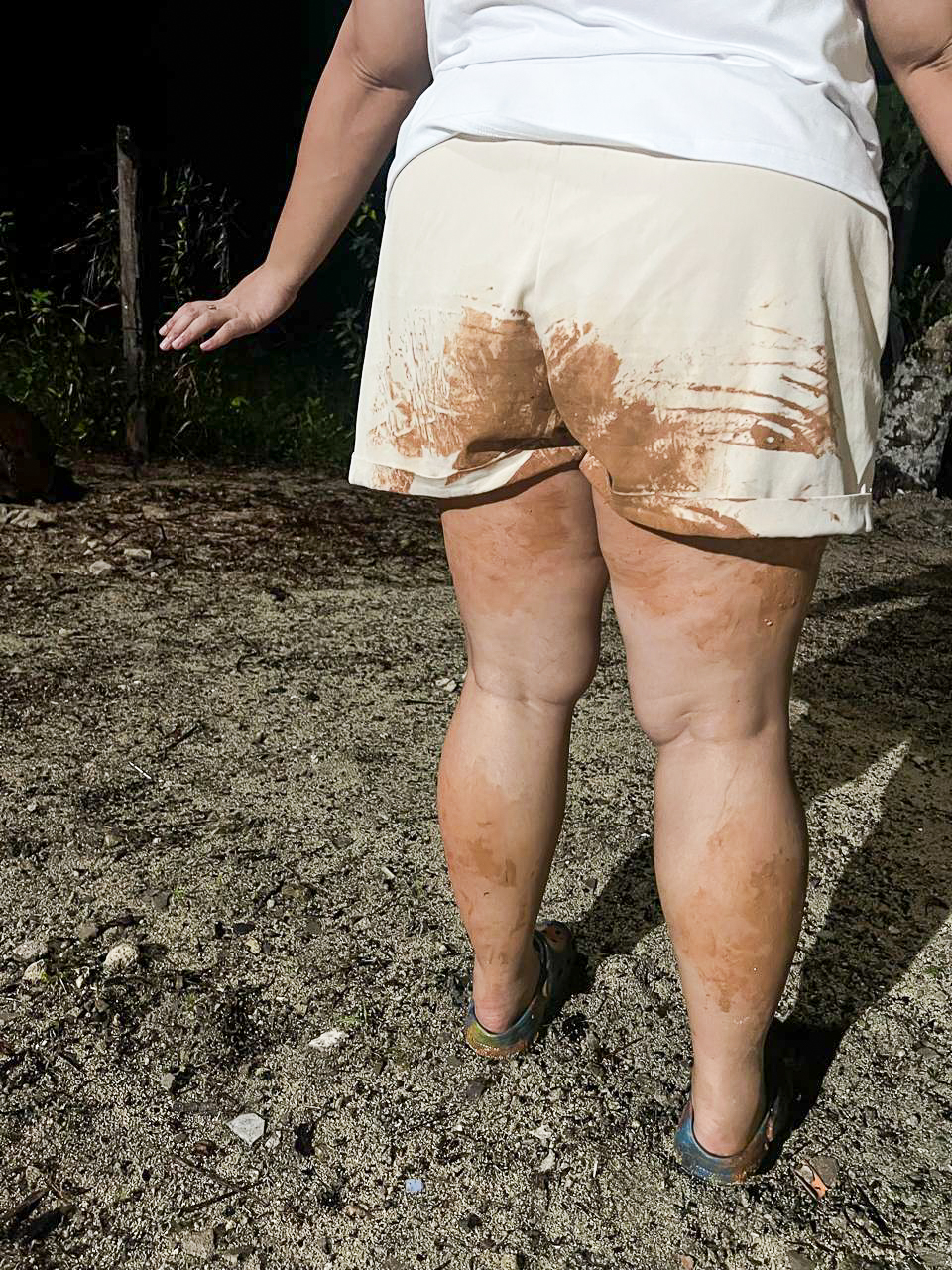
Day 4: I Fell in the Mud, and All I Could Do Was Laugh
This is the part I remember very clearly.
By the fourth day, I was exhausted from walking back and forth. I was wearing shorts—I think they were white—and I slipped on the muddy road going home.
I fell straight on my butt.
In the mud.
And instead of crying, I laughed.
I mean, I laughed LOUDLY in the middle of the night.
Lindy was so mad at me for being noisy, but honestly, I didn’t care.
I was stressed, exhausted, and overwhelmed. If I didn’t laugh at that moment, I genuinely felt like I was going to break down.
So there I was, covered in mud, laughing in the dark while my boyfriend was probably questioning every life decision that had brought us to that exact moment.
And you know what? I don’t blame him.
Sometimes, when life becomes too ridiculous, laughter is the only thing left to do.
Because what else could I do? Cry over the mud? Cry over the electricity? Cry because I had to carry a golden retriever down a hill?
Well, technically, I would eventually cry over everything. But that night, I laughed.
Days 5 and 6: A Little Hope, Then Another Problem
Working at night and trying to sleep during the day was another challenge.
Without reliable electricity, the heat made it difficult to rest. Hotels couldn’t simply run their generators and air-conditioning around the clock without worrying about fuel consumption. Many conserved fuel during the day and used their generators at night.
Unfortunately, nighttime was when I needed to work, and daytime was when I needed to sleep.
The timing couldn’t have been worse.
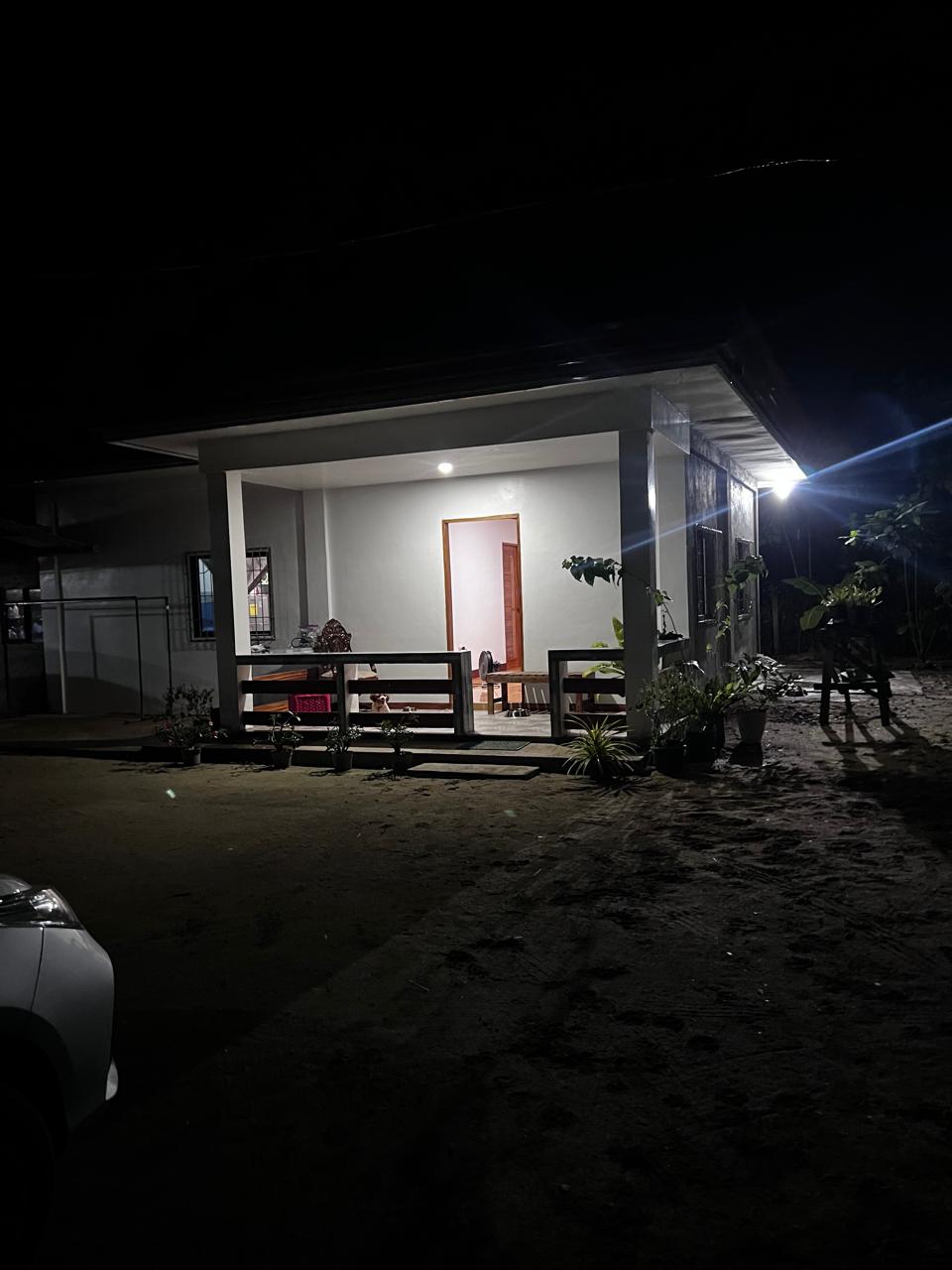
Then my Uncle Bulaw offered us a place to stay at his homestay.
We brought all four dogs and settled in, hoping we could finally get some rest and return to a more normal routine.
For the first time in days, we were happy.
There was air-conditioning. There was internet. We could stay together with the dogs instead of constantly going back and forth between different places.
It felt like we could finally breathe.
But on the sixth day, the generator broke down.
Of course it did.
Because why would anything be easy at this point?
There was still no electricity, and we were back to figuring things out all over again.
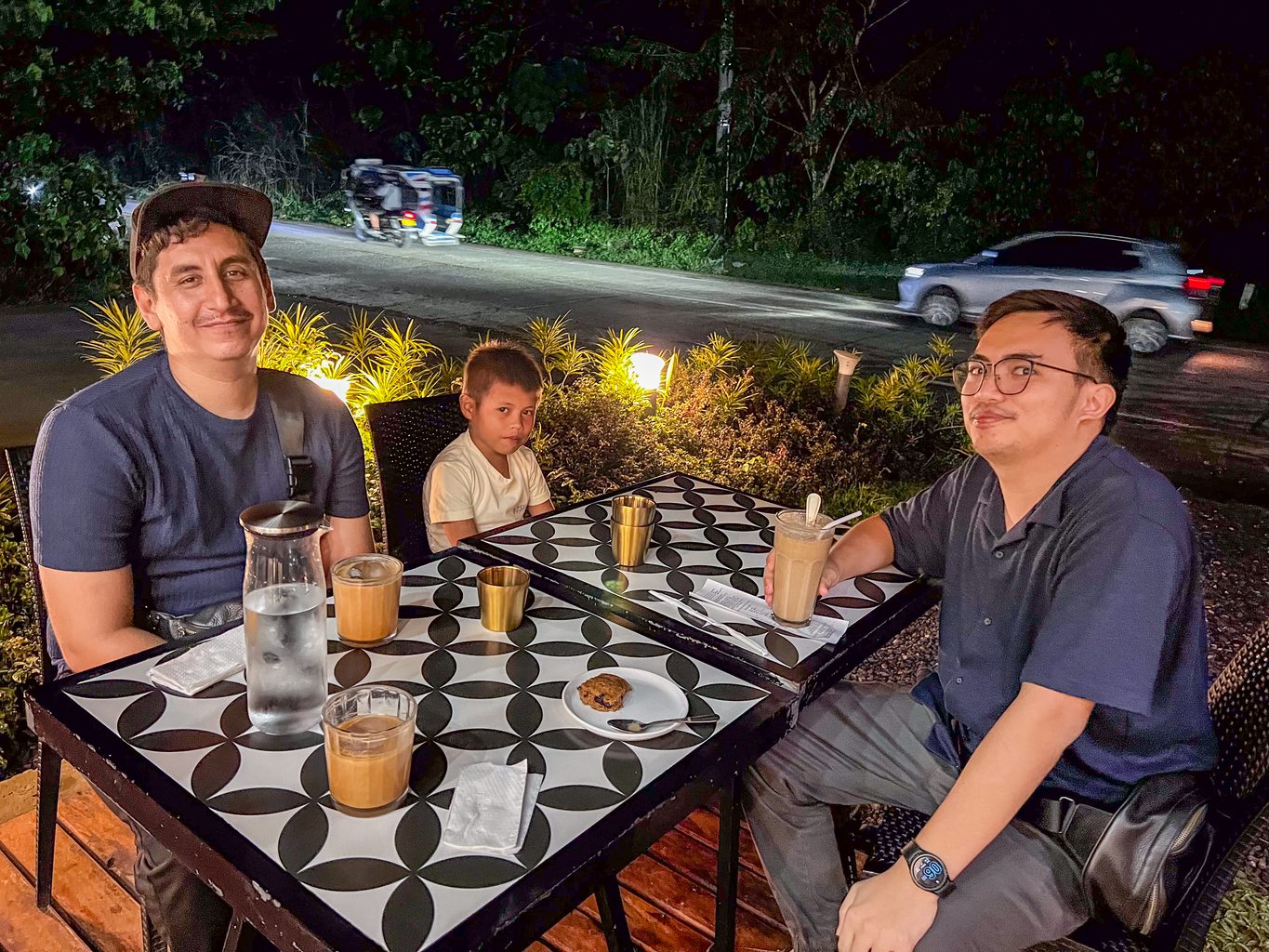
During the day, when we couldn’t sleep anyway, we explored parts of northern Siargao. We tried local restaurants and occasionally went down to Dapa to get essentials and to General Luna to look for hotels that were more affordable and could accommodate all four dogs.
But it was December. Hotels were busy, and finding a suitable place that could accommodate us and our dogs while providing reliable power wasn’t easy.
We weren’t looking for luxury. We just wanted somewhere we could work, rest, and take care of our family.
Apparently, that was a lot to ask.
Day 7: My First Kindle and a Little Bit of Happiness
December 7 was Day 7 of the brownout.
By then, I was emotionally exhausted. My emotions and hormones were all over the place.
During the daytime, when I didn’t have to work, I could still enjoy little moments and feel grateful for what I had. But nighttime was a different story.
Nighttime meant work. It meant trying to meet responsibilities while dealing with unreliable internet, no electricity in our usual setup, and the stress of not knowing when things would return to normal.
I was overwhelmed.
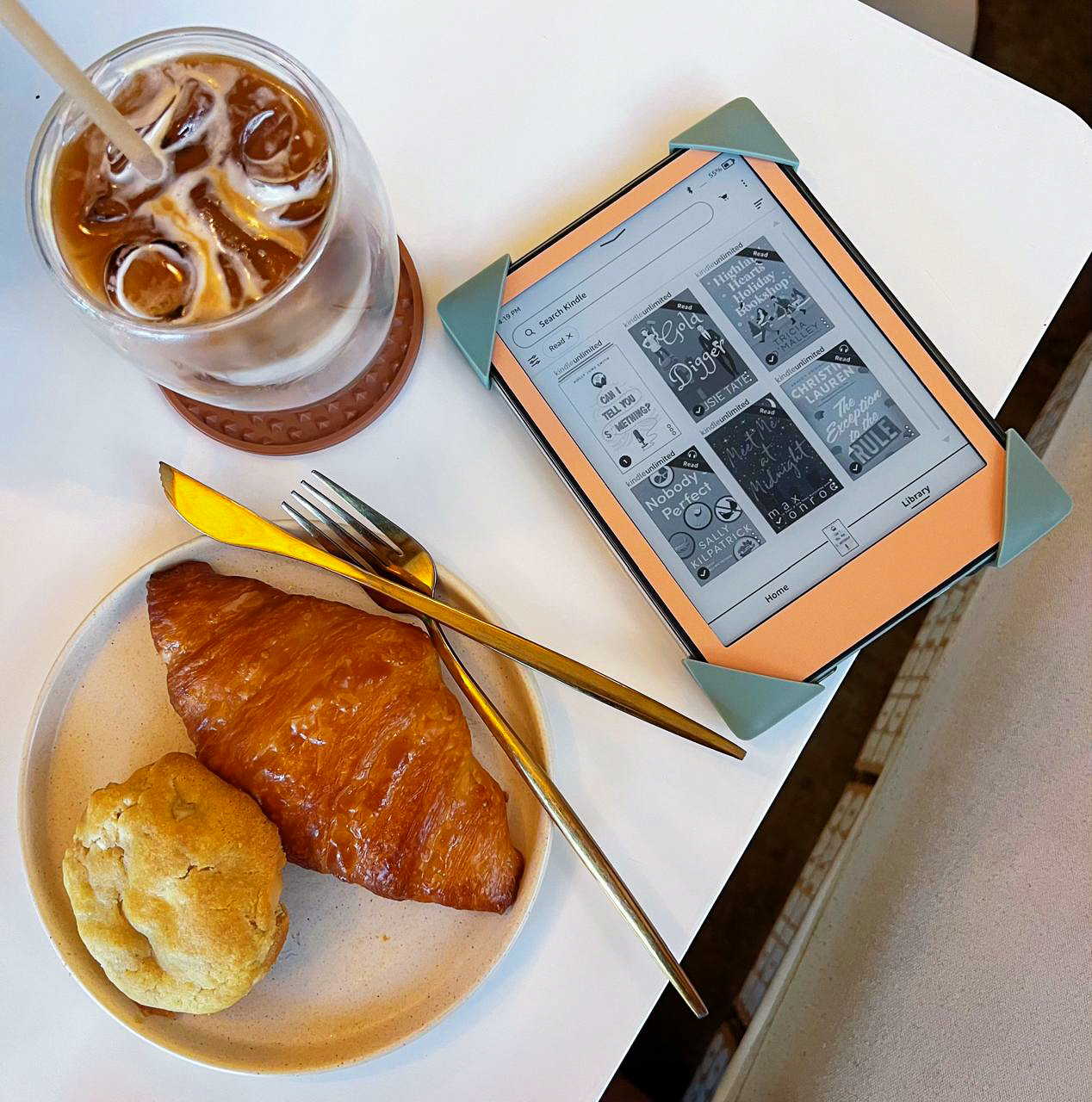
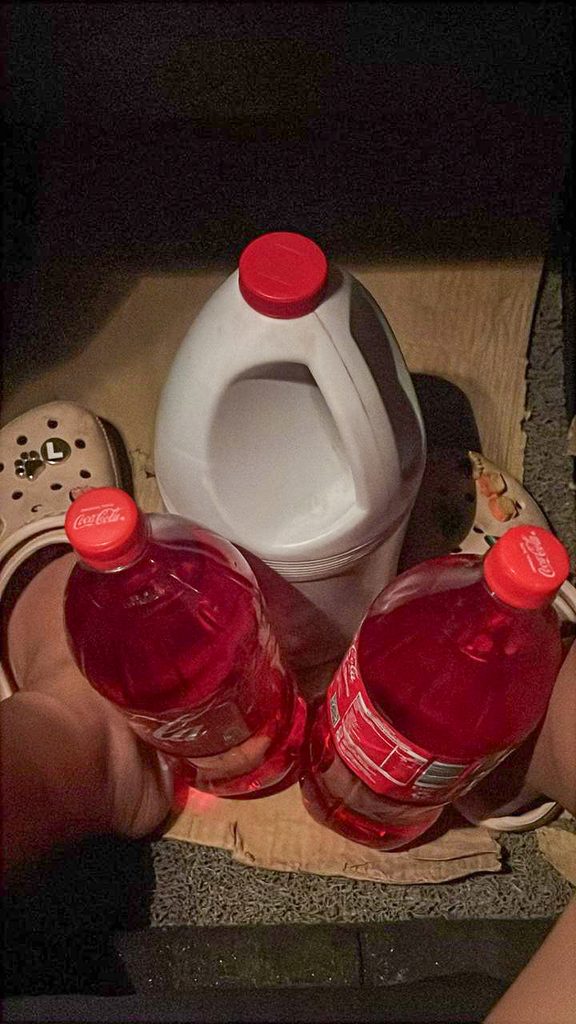
And then came a little surprise that genuinely made me happy: my very first Kindle! ❤️
A Little Light in the Darkness
Lindy bought it from my friend Jacklyn as an early Christmas gift for me. Honestly, the timing couldn’t have been better.
I was so excited and grateful. In the middle of all the stress, exhaustion, and uncertainty, I finally had something that could take my mind off everything happening around me.
It didn’t fix the brownout. It didn’t make the heat disappear or magically solve our accommodation problems. But it gave me a little pocket of happiness during a time when I really needed one.
And I think that’s worth mentioning because sometimes people assume that if you’re complaining about a situation, you must be unhappy with your life.
That wasn’t the case for me.
I loved my life. I loved Lindy, our dogs, and the life we were building in Siargao.
I wasn’t unhappy with my life. I was overwhelmed by the situation.
There’s a difference.
You can be grateful and still be exhausted. You can love where you live and still admit that some days are incredibly difficult.
Thank you, Lindy, for my very first Kindle and for giving me something to look forward to during those difficult days. And thank you, Jacklyn, too! ❤️
Day 8: Honestly, The Brownout Was All a Blur
I’m going to skip day eight because I can barely remember what happened.
And that’s not me being dramatic.
When you’re stressed for days on end, everything starts blending together. You stop thinking about what day it is and start focusing on getting through the next problem.
Where are we going to stay?
How am I going to work tonight?
How are the dogs?
Do we have enough fuel?
Can we find food?
When will the electricity come back?
Those questions kept running through my mind, and there was barely any time to stop and process what was happening.
I was tired. We were all tired.
And the brownout wasn’t over.
Day 9: The Day I Finally Broke Down
By the ninth day, I couldn’t take it anymore.
I cried.
And cried.
And cried.
For about two straight hours, I barely moved. I just sat there crying, completely overwhelmed by everything that had happened and everything we still had to deal with.
I remember Lindy trying to get me to look at Shelly.
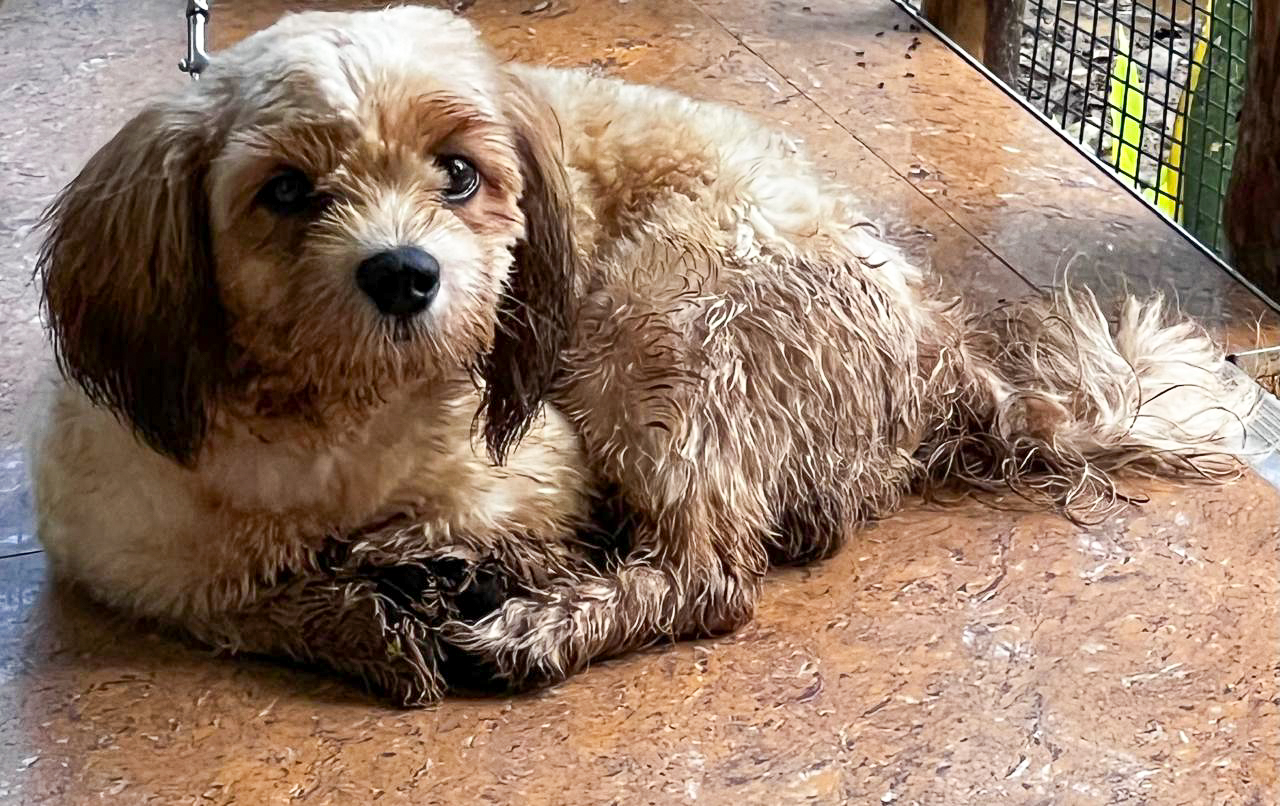
My poor Shih Tzu, who is supposed to be white, had turned so brown from all the dirt and mud.
We couldn’t give the dogs proper baths, and grooming wasn’t an option when there was no reliable electricity to run the equipment needed to dry them.
Lindy was trying to remind me that I couldn’t just give up, especially when our dogs depended on us.
And he was right.
But in that moment, I was exhausted. I wasn’t just worried about the electricity anymore. I was worried about work, money, food, the dogs, and whether we could keep doing this for another day.
We couldn’t cook the way we normally did. We couldn’t store food properly without reliable refrigeration. Even the little routines that made our lives comfortable had disappeared.
Being Strong Enough Not To Give Up
And the updates we were hearing weren’t encouraging.
The problem was reportedly underwater, and they were still trying to locate it. We were already around ten days into the brownout, and there was still no clear end in sight.
I remember feeling helpless.
People kept telling me to go back to the city so I could work and have access to everything I needed.
And I understood where they were coming from.
But I kept thinking: How can I just go back to the city? What about my dogs?
I couldn’t simply leave them behind. They weren’t the reason the electricity was out, and they shouldn’t have to suffer because of a problem they had nothing to do with.
They were our responsibility, and we had to figure things out together.
That was one of the hardest parts of the experience: knowing that even when I felt like giving up, I still had four little lives depending on me.

Fifteen Days Later: The Electricity Finally Came Back
Eventually, after fifteen days, the electricity came back.
And if you’re expecting me to give you a detailed account of how we survived every single day, I’m sorry to disappoint you.
I honestly can’t remember everything.
What I do remember is the exhaustion, the constant adjustments, the muddy roads, the money we spent, the arguments, the tears, and the moments when I laughed simply because I didn’t know what else to do.
If I had to summarize those fifteen days, it would be:
A million tears. A thousand expenses. A hundred arguments. And can I say a billion cups of coffee?
I’m exaggerating again, obviously.
But you get the point.
It was hard. Really hard.
And when the electricity finally returned, I don’t think it magically erased everything we’d gone through. We still had to recover, catch up on work, clean up, and get back into our routine.
But at least we could finally breathe without wondering when the next basic necessity would become a problem.
So, Is Island Life Worth It?
Here’s the thing: I love Siargao.
I love the community, our neighbors, the coffee, and the fact that our dogs get to enjoy the beach. I love the life Lindy and I are building here, and I’m grateful for the experiences we’ve had.
But loving a place doesn’t mean you have to pretend its problems don’t exist.
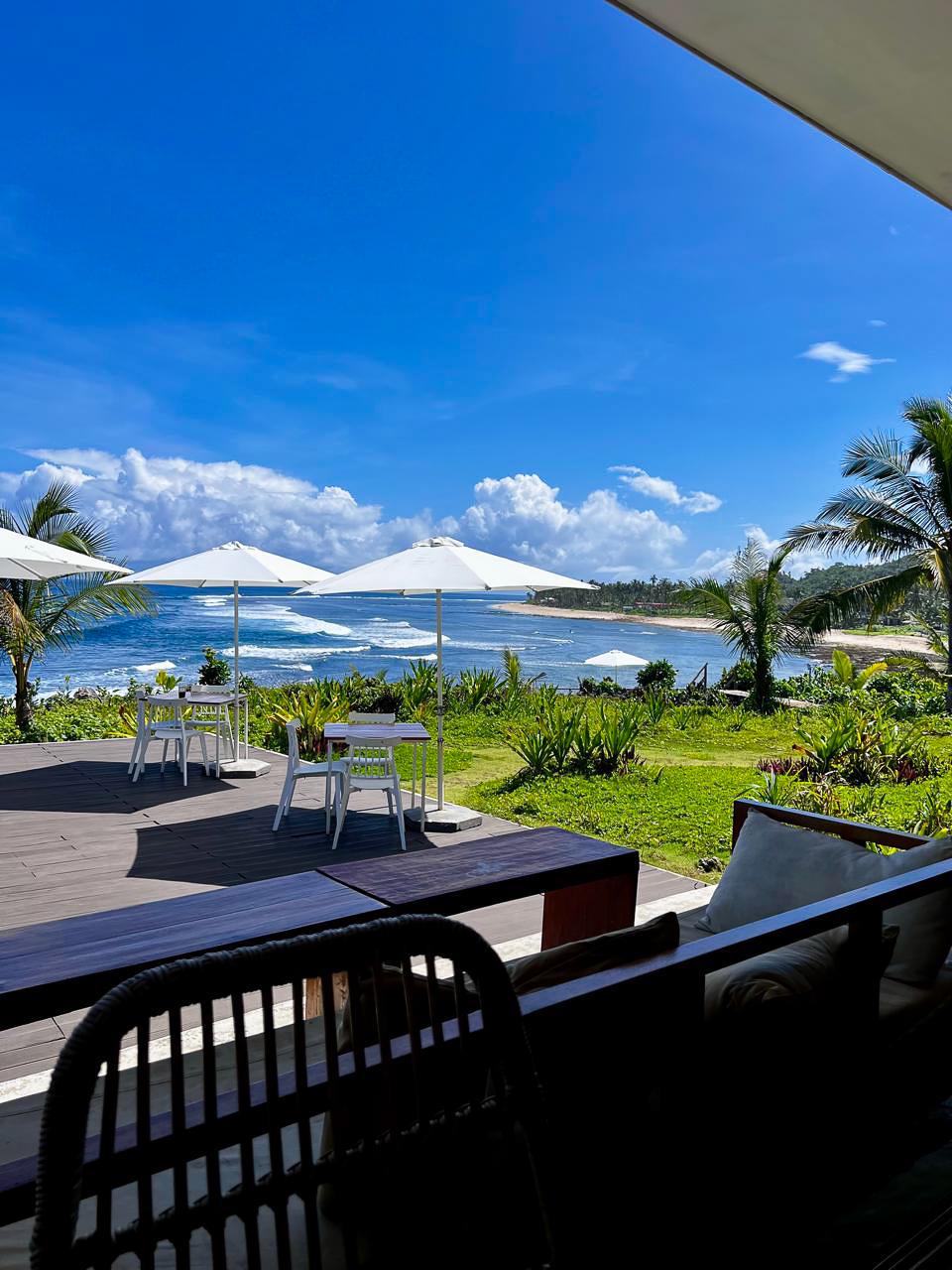
Island life is beautiful in photographs. You see the palm trees, the sunsets, the beach days, and the happy moments.
What you don’t always see is someone trying to finish work at midnight without reliable electricity. You don’t see the muddy walks carrying bags and dogs. You don’t see the panic buying, the rising expenses, or the tears after nine days of trying to hold everything together.
And that’s okay. Not every part of life needs to be photographed or posted online.
But I think it’s important to be honest about what living here can actually be like, especially if you’re considering moving to Siargao.
Because visiting an island and living on an island are two completely different experiences.
When you’re on vacation, you can change hotels, book a flight, or go home when things get difficult.
When you live here, you have responsibilities. You have work. You have a home. You have people and animals who depend on you.
You can’t always pack your bags and leave when things don’t go according to plan.
Sometimes, you have to stay, adapt, and figure it out.
And sometimes, you fall on your butt in the mud and laugh in the middle of the night because crying would be too easy.
Island Life Is Not for the Weak—In Heart or in Pocket
If there’s one thing those fifteen days taught me, it’s that island life requires a different kind of strength.
You need patience when things don’t work. You need flexibility when plans change. You need to be prepared for expenses you didn’t anticipate.
And sometimes, you need a sense of humor strong enough to survive the most ridiculous situations.
I’m not saying all of this to discourage anyone from moving to Siargao. I’m sharing it because I wish more people understood that island living isn’t a permanent vacation.
It’s a real life, with real problems and real responsibilities.
I still love the life we’re building here. I still believe the adventure is worth it. But I also know that choosing this lifestyle means accepting both the beautiful moments and the difficult ones.
So, if you’re dreaming of moving to Siargao, by all means, come and experience it. Enjoy the beaches, drink the coffee, meet the people, and explore the island.
Just remember to prepare for the realities, too.
And if you ever find yourself complaining about a brownout that lasts a few hours, please remember that somewhere in Siargao, there’s a girl who once spent fifteen days without electricity, fell on her butt in the mud, cried for two hours, and still had to show up for work.
That girl was me.
And honestly, I wouldn’t wish that experience on anyone.
But at least now I have a story to tell.
Welcome to island life. It’s beautiful in the photos, but surviving it takes a strong heart, a strong budget, and sometimes, a billion cups of coffee.
Links To Our Other Posts About Life In Siargao
Want to read more about our island life experience? Here are links to some of our other posts about Siargao:
My Top 7 Local Food Experiences in Northern Siargao
Top 5 Hidden Gems of Siargao Island’s North Side
My Top 16 Food Finds In Siargao Island (In No Particular Order!)
Ready for your Siargao north-side adventure? Let us know your thoughts in the comments.